The road to LA will be stronger if we travel it together
16 Oct 2026
By Steve Chisholm
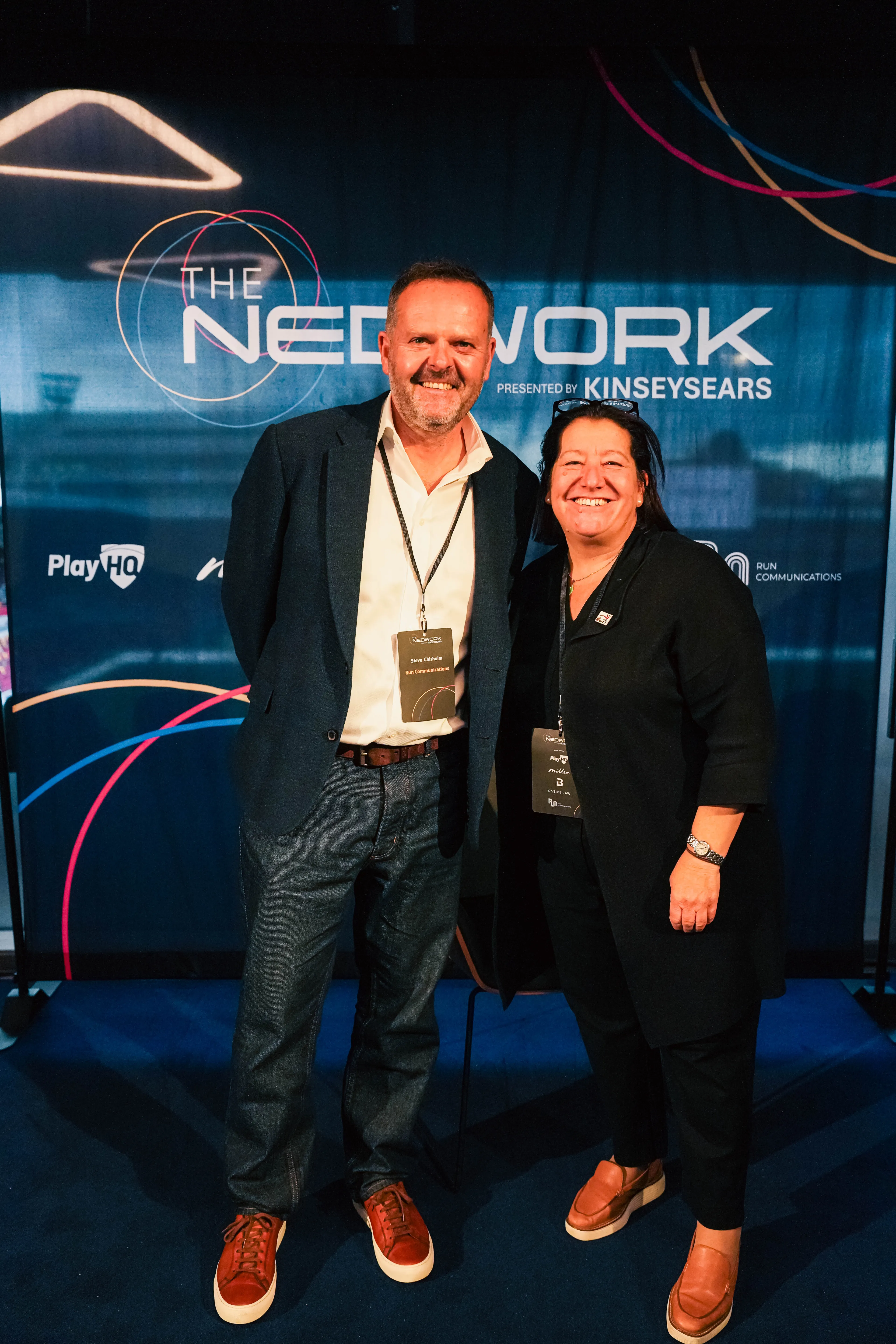
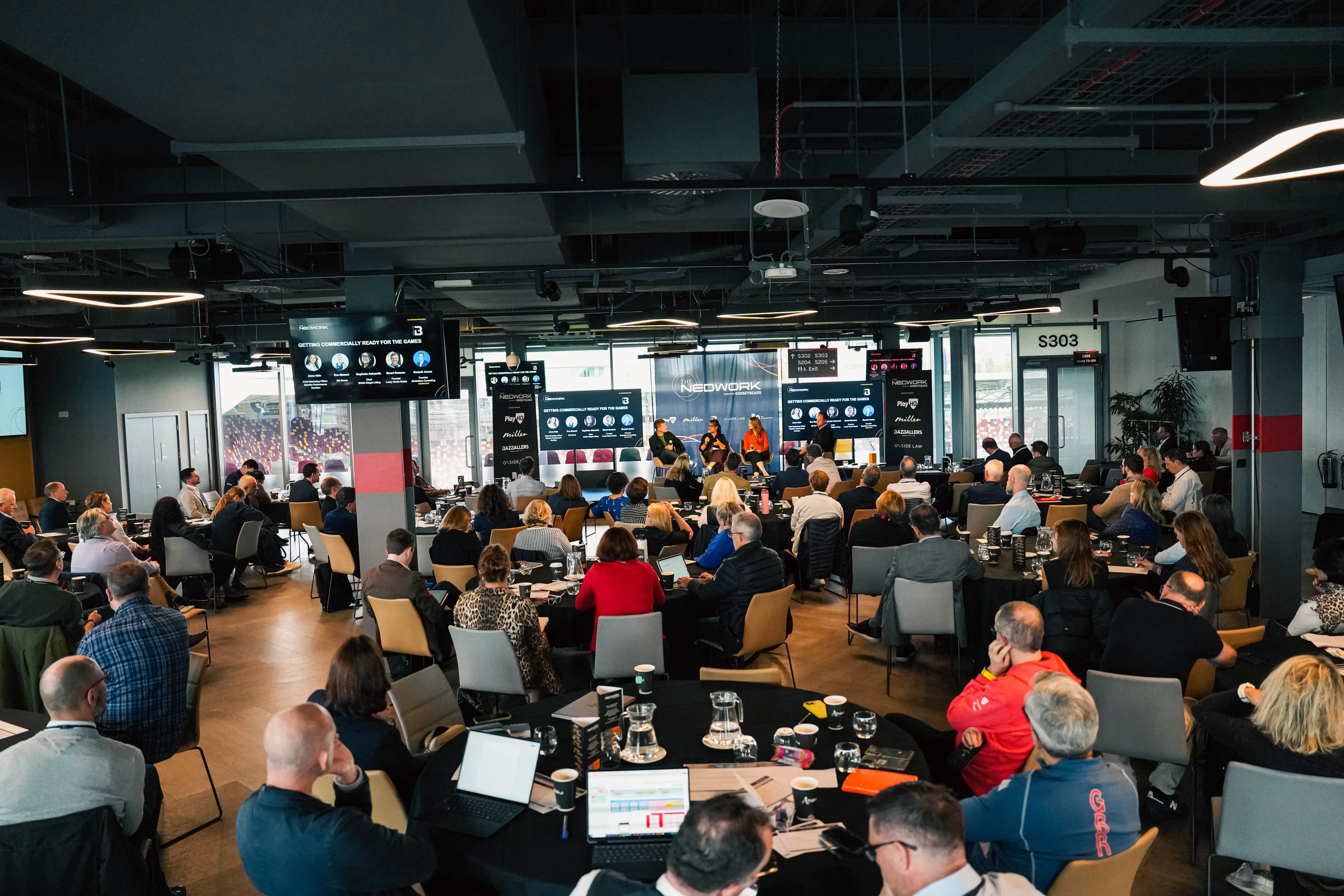
I came away from yesterday’s The NEDwork with a strong sense that Olympic and Paralympic sports have a significant opportunity in front of them, provided we are prepared to work more closely together.
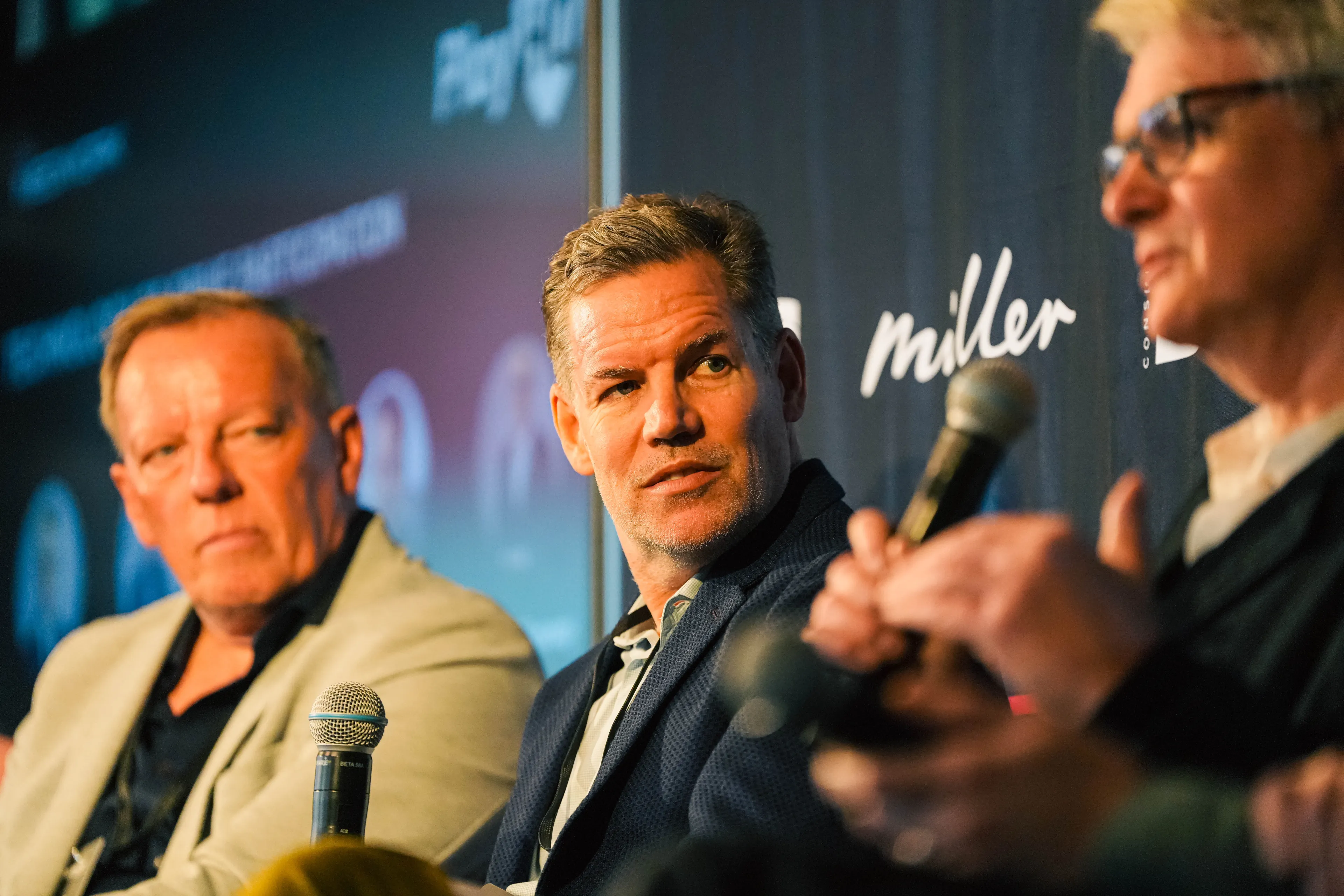
I had the pleasure of leading an on-stage conversation with Sally Munday, Chief Executive of UK Sport.
Collaboration was a central theme of our discussion and it came through repeatedly in other sessions and conversations throughout the day.
The financial environment is tough for many national governing bodies. There are real pressures on people, budgets and the capacity to look much beyond the immediate demands of running a sport.
That makes the case for collaboration even stronger. There is an opportunity here for the whole to be considerably greater than the sum of its parts.
Each sport has its own identity, communities and ambitions. But there is much that could be achieved by sharing ideas, resources, relationships and audiences. Moving beyond siloed thinking could make a significant shift in how individual sports grow while strengthening the collective relevance of Olympic and Paralympic sport.
It was also fantastic to introduce the team at PlayHQ to a number of leading Olympic and Paralympic sports yesterday. The session featuring Chief Executive Tim MacKinnon was particularly thought-provoking about the use of tech to help sports to make a step change in their development. Nic Coward, Chair of the National League, also made some strong points. The discussion presented many exciting possibilities if we are willing to embrace change.
There is a powerful collective Olympic and Paralympic story to tell to government and consumers. Telling that story together could strengthen the case for support, reach more people and create exciting opportunities along the way.
One area I think there is enormous untapped potential to accelerate growth across Olympic and Paralympic sport is content.
Sport is competing for attention like never before and the opportunity is to think much more strategically about how content can help sports reach new audiences, build relevance and ultimately drive greater participation, fandom and commercial interest.
Collaboration between sports is one part of that. Bring athletes from different disciplines together and you create opportunities to introduce sports to entirely new audiences, tapping into existing fanbases and creating connections that traditional routes might never achieve.
Empowering athletes to become genuine advocates and creators for their sports also remains underutilised in some sports.
That requires governing bodies to become more comfortable with having less control - giving athletes the support, access and freedom to build their own audiences and tell stories in their own voices.
The personality, humour, authenticity and behind-the-scenes access that make athlete-led content so engaging are also what can turn casual interest into genuine fandom.
The next two games-cycles are crucial.
With Los Angeles followed by Brisbane, we have two consecutive summer Games in time zones that will challenge familiar UK viewing habits. That puts an even greater emphasis on how we build interest beforehand and bring stories home during Games time.
For me, there is a huge opportunity to work more closely with domestic broadcasters and other media partners now. Develop the relationships, introduce the athletes and build the stories that will give audiences a reason to care when competition begins.
Athletes’ own channels will be an increasingly important part of that picture too. We need to think about how those channels and established media can complement each other, helping audiences follow the people and moments that matter to them.
The final theme that stayed with me was trust.
Anna Hale from Glanbia Performance Nutrition spoke brilliantly about the credibility that athletes can bring to brand partnerships, particularly as AI changes how people discover and consume information. It echoed something I have written about previously.
As AI becomes another route through which people encounter our sports, the quality and credibility of the information available about them matter. Trusted journalism, expert voices and authentic athlete stories all have a role to play.
That strengthens the case for investing in relationships with trusted media brands. They can bring substantial audiences, editorial authority and the ability to make a sporting story relevant beyond its existing followers.
For me, three themes connected much of yesterday: authenticity, trust and collaboration.
They are also practical priorities. Give athletes greater support to tell their stories. Build stronger media partnerships. Find opportunities to share expertise and create content across sports. Be clear about the distinctive value each sport brings and how the organisation will deliver it.
I struggle to see how continuing to work in silos will serve many of these sports well. Even some of the bigger Olympic sports face challenges in staying relevant between Games.
Increasing relevance is non-negotiable. Growing revenues is vital and I think the two go hand in hand. Greater collaboration can form the basis of a commercial strategy: combining audiences, creating stronger propositions for partners and giving people more reasons to engage.
That may mean sharing some of the returns. But if we grow the pot together, there is an opportunity for everyone to benefit.
At Run, we believe sport has a powerful role in creating a more active society. Helping more people discover its Olympic & Paralympic athletes, understand its stories and feel that it has something for them is an important part of that.
There is so much talent and so many compelling stories across Olympic and Paralympic sport. Working together gives us a better chance of ensuring they reach the audiences they deserve.